

The Ultimate Guide To Gluten-Free Flour

It seems like more and more home bakers are diving into the tasty world of gluten-free baking. Perhaps you are navigating a diagnosis like celiac disease, or managing a gluten intolerance. Or maybe you are simply curious about new ingredients and healthier eating. Whatever your reason, stepping beyond traditional wheat flour opens up a whole new realm of culinary possibilities.
Having the right tools in your kitchen, like a powerful Blendtec blender, can help you prepare fantastic gluten free flours that will allow you to make all kinds of delicious recipes. Get ready to explore how these amazing flours can transform your cooking and baking adventures.
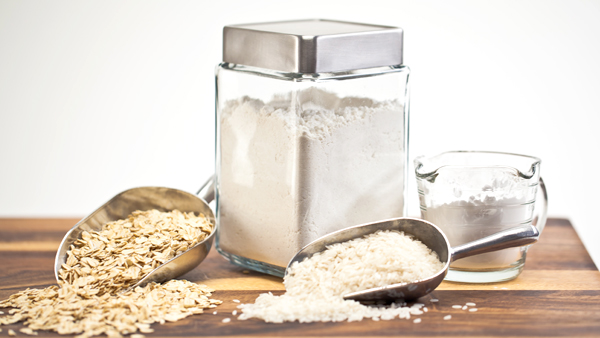
When working with gluten-free flour, the main difference from traditional wheat is the absence of gluten. Gluten is the protein that provides elasticity and structure, helping baked goods hold together and rise. Without it, we need to adapt our approach.
This is where flour blends really shine. Instead of just one flour, a blend mixes different ones to get that perfect combo of structure, tenderness, and chew. And for things like gluten-free bread, you'll often see ingredients like xanthan gum or guar gum thrown in.
They help bind everything and give it elasticity, basically doing what gluten normally does, so your gluten-free goodies come out tasting great and holding together well. Once you get these basics down, you're all set to explore all the awesome gluten-free flour choices out there.
Grinding Your Own Flour with a Blendtec Blender
For home bakers looking to elevate their creations, grinding your own flour is a game-changing step. This practice offers three distinct advantages over buying pre-milled flour.
First is unparalleled freshness which leads to a richer, more vibrant flavor in your baked goods. Second is cost savings, as whole grains are often more affordable than their processed counterparts. Finally, it gives you complete control over the texture of your flour, allowing you to create coarser or finer meals depending on your recipe's needs.
Your Blendtec blender is a powerful tool perfectly suited for this task. It is super versatile and can handle a wide variety of ingredients, turning them into fresh flour super quickly. You can easily grind hard grains like brown rice, white rice, millet, and quinoa.
It also works beautifully for softer items like gluten-free rolled oats, which creates a great oat flour, or even dried chickpeas for homemade chickpea flour. This versatility allows you to have a pantry full of fresh options at your fingertips. To achieve the best results, follow these simple tips for a perfect grind every time:
Start with a Dry Jar: Always use a completely dry blender jar, like the WildSide+ or FourSide jar. Any moisture can cause the flour to clump together, so ensuring the jar is bone-dry is a crucial first step.
Work in Small Batches: To ensure a consistent, even grind, process only one to two cups of grain at a time. This prevents the motor from overheating and allows the grains to circulate freely for a finer texture.
Use a Two-Speed Approach: Begin blending on a low speed for a few seconds to break up the whole grains. Then, quickly ramp up the speed to high and blend for 30 to 40 seconds until the flour becomes fine and powdery.
Let It Cool Down: The grinding process can generate a small amount of heat. For the best results in your gluten-free recipes, allow the freshly milled flour to cool to room temperature before measuring and mixing it with other ingredients.
Exploring The Properties and Uses of Gluten-Free Flours
Understanding the individual types of gluten-free flour is incredibly helpful for any baker. Each flour brings its own unique qualities to the table, influencing the texture, flavor, and structure of your baked goods. Knowing these distinctions allows you to choose the best options for your specific gluten-free recipes and even create your own balanced flour blends. Let's explore some of the most common and versatile options you will encounter.
Rice Flours
Rice flours are some of the most widely used and neutral-tasting gluten-free flour options, often forming the base of many flour blends. They provide a mild foundation that does not overpower other flavors in your baked goods.
Brown Rice Flour
Brown rice flour is milled from the entire rice grain, including the bran and germ. This makes it a whole grain option, offering a slightly nutty flavor and contributing fiber to your recipes. It tends to be denser than white rice flour but provides good structure and a subtle chew, making it a common component in gluten-free all-purpose flour mixes.
White Rice Flour
In contrast, white rice flour is made from polished white rice, resulting in a finer, lighter texture and a very neutral taste. Its delicate nature makes it excellent for lightening flour blends and creating tender results in cakes and cookies. It helps achieve a soft crumb without adding any distinct flavor of its own.
Sweet Rice Flour
Despite its name, sweet rice flour (also known as glutinous rice flour) is entirely gluten-free. The "glutinous" refers to its stickiness when cooked. This unique characteristic makes it a fantastic binder and adds a desirable chewiness to baked goods.
Including a small amount of sweet rice flour in a gluten-free flour blend can significantly improve the texture of everything from brownies to quick breads, helping them hold together beautifully.
Nut and Seed Flours
Nut and seed flours bring a different set of qualities to gluten-free baking, offering richness, moisture, and unique flavors. They are also popular choices for those following specific dietary patterns like paleo or grain-free diets.
Almond Flour
Almond flour is an incredibly popular choice for baking enthusiasts. It's made from blanched, super-fine almonds, so it's got a light texture and a subtly sweet flavor. Plus, it's low-carb and packed with good fats and protein, making it a go-to for paleo and grain-free gluten-free recipes.
This flour is amazing for making super moist and tender baked goods. Think delicious brownies, soft cookies, and light-as-air quick breads. Its fine texture means you can even use it for more delicate desserts. You might also run into almond meal, which is a bit coarser and made from unblanched almonds, giving your recipes a slightly different vibe.
Coconut Flour
Coconut flour is pretty unique in the gluten-free world, made from dried and defatted coconut meat. The biggest thing to know about it is how much liquid it soaks up. A tiny bit of coconut flour seriously goes a long way.
Because of that, you can't just swap it evenly with other flours. Recipes using coconut flour usually need a lot more liquid and often extra eggs to get the right texture and keep things from getting dry.
But when you use it right, it adds a nice touch of sweetness and makes your baked goods super tender. It's especially good in muffins and certain pancakes. Plus, it's packed with fiber, which is a nice bonus if you're trying to add more nutrients to your gluten-free baking.
Starchy Flours and Thickeners
Starchy flours are essential in gluten-free baking, contributing lightness and unique textures to baked goods. They are also excellent thickeners for gravies, sauces, soups, and stews. These flours are a versatile ingredient in many culinary applications.
In gluten-free baking, starchy flours are typically used in blends because they provide structure and a delicate crumb but lack the protein for elasticity and browning. Bakers combine them with protein-rich flours like almond or oat flour to mimic wheat flour's properties. Common examples include tapioca, arrowroot, cornstarch, and potato starch, each offering distinct textural benefits to gluten-free recipes.
Tapioca Flour (or Tapioca Starch)
Tapioca flour, also known as tapioca starch, comes from the cassava root. This versatile flour adds elasticity and a desirable chewiness to baked goods. It is fantastic for creating a crispy crust and is widely used for thickening sauces and gravies.
Potato Starch
Potato starch is a fine, white powder that provides a tender crumb and lightness in gluten-free baking. It is also an excellent thickening agent for soups and gravies, ensuring a smooth consistency. Remember, this is different from heavier potato flour.
Cornstarch
Cornstarch is a well-known, powerful thickening agent derived from corn. In gluten-free baking, a small amount can contribute to a lighter, more tender texture and a crispy exterior in some baked goods. It is a staple for thickening sauces and puddings.
Arrowroot
Arrowroot, also called arrowroot starch, is a highly effective thickener similar to cornstarch. It works well for thickening sauces and fruit fillings, often providing a clearer finish. In baking, arrowroot helps make baked goods lighter and more tender for various gluten-free recipes.
Other Notable Gluten-Free Flours
Beyond the more common rice, nut, and starchy options, many other gluten-free flour types offer exciting possibilities for diverse flavors and textures in your baking. These often contribute distinct characteristics or cater to specific dietary needs like grain-free or paleo approaches.
Buckwheat flour, a fantastic gluten-free option, boasts an earthy flavor that shines in waffles and breads. For a touch of mild sweetness, turn to oat flour, made from gluten-free oats, which is perfect for quick breads and cookies.
You will also find sorghum flour, a mild-flavored whole grain option that adds a tender crumb to baked goods. Chickpea flour, or garbanzo bean flour, has a distinct savory flavor and is popular for making flatbread and other savory gluten-free recipes.
Ancient grains like millet, amaranth, and teff offer unique flavors and nutrients to gluten-free baking. Quinoa flour adds a complete protein. Cassava flour, from the whole cassava root, is a versatile, grain-free, and paleo-friendly option for tortillas and lighter baked goods.
Gluten-Free Baking Tips and Applications
Once you understand the different types of gluten-free flour and the power of flour blends, the next step is to apply some key baking principles. Gluten-free baking does have its own nuances, but with a few essential tips, you will consistently create delicious baked goods and master your favorite gluten-free recipes.
General Baking Principles
When you're baking gluten-free, hydration is super important. Gluten-free doughs and batters often need more liquid than regular ones because these flours really soak it up. Don't forget about binders like xanthan gum or guar gum either. They give you that much-needed structure and stretch since there's no gluten.
Another super important thing to keep in mind is not to just swap regular flour cup for cup with a single gluten-free flour. It rarely works. Instead, use good gluten-free, all-purpose blends or specific flour mixes made for your recipe.
Choosing The Right Gluten Free Flour For Your Recipes
Gluten-free baking can be tricky, but it's all about picking the right flour. For breads like sourdough, you'll want a strong gluten-free flour blend with plenty of protein and binders to help it rise and give it a good texture. If you're making pizza or flatbread, flours with tapioca can give you that awesome chewiness and crispiness.
For tender, moist sweet treats, use an all-around gluten-free blend. For flaky pie crusts, try lighter starches like potato starch. Thicken sauces, soups, or gravies with cornstarch, tapioca starch, or arrowroot for a smooth consistency.
Your Gluten-Free Baking Journey
To seriously upgrade your gluten-free baking, check out blenders and recipes from Blendtec. A Blendtec blender is awesome for grinding whole grains, making nut milks, or just whipping up batters and doughs. Head to our website to explore blenders and accessories. Your next delicious gluten-free recipe is just waiting to be discovered.
Our Grinding Grains guide, is a great resource for how to blend many different grains into flour.
I would like to make SUPERFINE brown rice flour from regular brown rice flour in my blend tec. How would I do that? I am Celiac and it is expensive to buy all these extra flours and I love my Blend Tec
Yes you can. Here’s a guide to grinding grains in your Blendtec: http://www.blendtec.com/blog/grinding-grains-in-a-blendtec-blender/.
Can I use my 4 sided jar to make tapioca flour out of tapioca pearls?
I would like to try making coconut flour in my Blendtec. Would I use the Whole Juice setting, like when making rice flour?
Leave a comment