

How to Grind Coffee Beans in Your Blender

Grinding your own coffee beans at home can take your morning cup to the next level. Freshly ground coffee delivers more aroma, better flavor, and a smoother experience than pre-ground options. If you don’t own a traditional coffee grinder, no worries. Can you grind coffee beans in a blender? Yes! You can still enjoy the perks of freshly ground coffee using a high-powered blender like a Blendtec.
We’ll walk you through how to grind coffee beans in a blender and explain why it’s a great option for coffee lovers. We’ll also cover grind sizes, tips for success, and how to match the grind to different brewing methods like espresso, French press, and drip coffee.
Understanding Coffee Grind Sizes
To get the best flavor out of your beans, it’s important to understand grind sizes. Different brewing methods call for different textures:
Coarse grind: Chunky pieces, like sea salt. Best for French press coffee and cold brew coffee.
Medium grind: Similar to sand. Great for drip coffee makers and pour-over coffee.
Fine grind: Powdery, like flour. Used for espresso machines and Turkish coffee.
Using the right grind size helps with water flow and extraction, giving you the best coffee taste every time.
Step-by-Step Guide on How to Grind Coffee Beans in a Blender
A powerful blender like a Blendtec makes it easy to grind beans quickly and consistently. It’s a great solution if you don’t have a blade grinder or hand grinder, or if you want to save space in your kitchen.
Blenders are easy to clean, and with short bursts of power, you can reach the grind size you need, from coarse grounds to a fine grind for espresso. Blendtec blenders are strong enough to break down whole bean coffee with ease, making them an ideal option for anyone wanting the best coffee without extra tools.
How to Grind Coffee In a Blender
Measure your beans: Start with a cup of whole coffee beans. The ground coffee from a cup of whole beans should last you a few days. A typical cup of coffee uses 1 to 2 tablespoons of ground coffee.
Add beans to the jar: Pour the whole bean coffee into your Blendtec blender. For best results, don’t fill the jar more than halfway.
Pulse on low speed: Use short bursts on a low setting. Stop and check the texture every few pulses to make sure you don’t overdo it.
Check the grind: Depending on your brewing method, adjust the number of pulses. For a coarse grind, just 2 or 3 pulses may be enough. For finer grind sizes like espresso, blend a bit longer.
Use or store: Once your coffee is ground, use it right away for the best flavor. If you need to store it, keep it in an airtight container to maintain freshness.
Tips for Achieving the Best Grind with a Blender
Work in small batches: Grinding fewer beans at a time gives you more control over the texture.
Tilt the blender: Gently tilt the jar as you pulse to move the beans around for a more consistent grind.
Clean thoroughly: After grinding, rinse and dry the jar to prevent leftover grounds from affecting your next recipe.
Matching Grind Size to Brewing Method
To get the best coffee from your beans, choose the grind size that fits your brewing method:
French press: Coarse grind for full-bodied flavor and easy filtration.
Drip coffee maker: Medium grind for balanced extraction.
Pour-over coffee: Medium-fine grind for clean and crisp cups.
Espresso machine: Fine grind to create a rich and bold shot.
Cold brew: Extra coarse grounds steeped in cold water for a smooth drink.
Blender vs. Coffee Grinder: What’s the Difference?
Both tools can grind coffee beans, but they work a little differently. A coffee grinder (especially a burr grinder) is designed just for coffee and can offer a more consistent grind. Blade grinders, however, can be uneven, much like standard blenders. A high-powered blender like a Blendtec can give you a much more consistent grind that ends up being extremely comparable to a quality coffee grinder.
Using a blender gives you flexibility. You can grind coffee and use the same machine to make smoothies, soups, and sauces. If you already have a Blendtec, it can double as a powerful tool for grinding beans.
Maintaining Your Blender After Grinding Coffee
It’s important to clean your blender well after using it to grind coffee beans:
- Rinse the jar right after grinding.
- Use hot water and a drop of dish soap to remove coffee oils.
- Dry completely to keep your blender fresh and ready for the next use.
- Regular cleaning helps prevent your blender from smelling like coffee, especially if you use it for other food prep.
Benefits of Grinding Your Own Coffee Beans
By now you’re bound to have heard at least one person recommend ditching the store bought stuff, to grind your own coffee at home instead. They’ll tell you it tastes better than anything you can buy in stores. So, does it actually taste better? The answer is, yes, fresh-ground coffee actually does taste better. It also turns out that it’s more than a personal taste preference — there’s science to back it up.
Oxidation
Coffee beans contain complex compounds that are responsible for a brew’s flavor and aroma. Because some of these compounds aren’t overly stable, they can change quickly. The naturally occurring process of oxidation causes flavor and aroma compounds to be released from your coffee beans, and grinding the beans triggers the oxidation process. This is great if you’re ready to brew immediately, but too much of the flavor will be released if you wait too long.
Moisture
Oils in coffee beans are water soluble which is important because it dilutes the beans, giving us the signature taste and smell of coffee. However, even moisture in the air can start to dilute your coffee beans. Grinding the beans causes more surface area for moisture to dissolve the oils, leading to quicker dilution, and rapid loss of flavor.
Contamination
The oils in coffee beans are extremely delicate and they become exposed after grinding. This makes them susceptible to contamination by other odors in your kitchen. Grinding your beans immediately before brewing can help you avoid drinking a cup of coffee that tastes like last night’s dinner.
Carbon Dioxide Depletion
Carbon dioxide is what delivers the flavor from the beans’ oils to your cup of coffee, and grinding the beans creates more surface area for carbon dioxide to escape. The longer ground coffee sits, the more carbon dioxide is released. Grinding coffee and then storing it, rather than brewing it right away, can cause a rapid depletion of carbon dioxide, leading to a significant loss of flavor.
Store-bought coffee can be decent to drink but for the freshest cup of coffee, it’s best to grind the coffee beans yourself, just before brewing. If you’re ready to try freshly ground coffee beans, you can use your Blendtec blender to grind them every morning. Place 1 cup of coffee beans in the Twister jar, 1½ cups in the FourSide jar, or 2 cups in the WildSide+ jar. Secure the jar lid, and run on Speed 5 for 20–30 seconds or until desired texture is reached.
Once you've ground your own beans, give one of these delicious blender coffee beverages a shot:
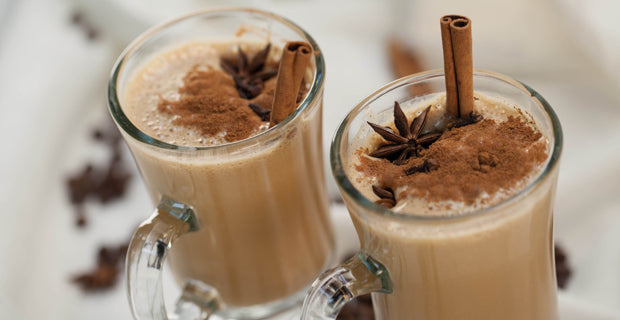
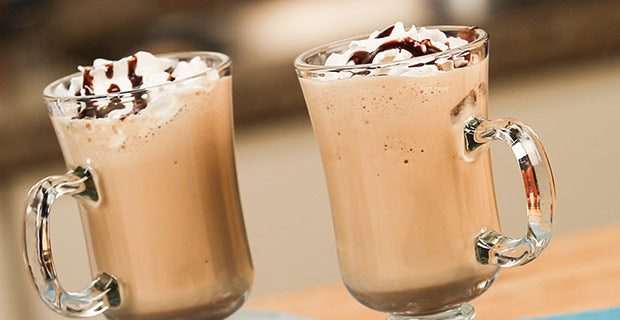
Blendtec Recipes to Elevate Your Daily Cup of Coffee
Apple Cinnamon Syrup
Homemade Vanilla Almond Milk
Homemade Whipped Cream
Elevate Your Morning Coffee With Blendtec
Grinding your own coffee beans at home is a simple way to enhance the flavor and freshness of your daily brew. With a high-powered Blendtec blender, you can achieve a consistent grind size suitable for various brewing methods, from French press to espresso. This versatility allows you to enjoy a cup of coffee tailored to your taste preferences. Incorporating freshly ground beans into your routine not only improves the taste but also adds a satisfying hands-on element to your coffee preparation. Experience the difference in every cup by using your Blendtec blender for grinding coffee beans.

Yes, grinding coffee beans in your blender with cause the inside to become “hazy” and smell like coffee.
Will grinding coffee beans scratch the blender interior and make it “hazy?”
In the WildSide+, I would not go less than 1.5 cups. The best blend will be with 2 cups.
For the amount of beans, could you do less than 2C in the wild side? Or do you have to use a minimum quantity?
Leave a comment